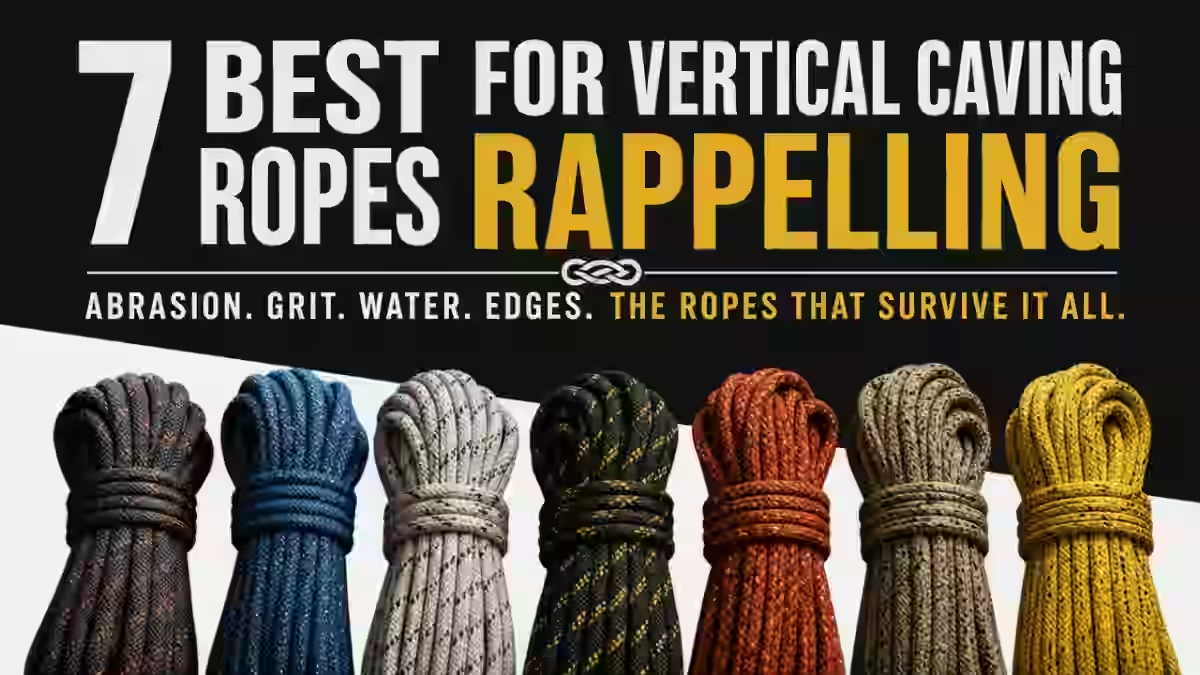
Quick Answer: 7 Best Rope for Vertical Caving Rappelling
The best rope for vertical caving rappelling is low-stretch, semi-static kernmantle ropes (Type A) measuring between 9mm and 11mm in diameter, certified by standards like NFPA, CE EN 1891 or UIAA. If you just want the quick answer, here it is:
- Teufelberger KM III: abrasion and longevity, especially with lots of edge contact.
- Sterling HTP Static: ultra low stretch efficiency, great wet performance consistency.
- Petzl Club 10mm: light and packable, great handling for cave kits.
- BlueWater 7/16″ ProStatic: grit proof classic with a tough 48 carrier sheath.
- Maxim Canyon Elite: dry treated wet environment performer for muddy, jagged systems.
- PMI Hudson Classic Static: dense sheath edge confidence for sharp limestone.
- Beal Spelenium: caving balanced handling and knotability with solid abrasion resistance.
Introduction
If you shop for rope online, it’s kind of hilarious at first. Everything looks the same. Bright colors, similar specs, a lot of “static” language, and everyone claims abrasion resistance.
Then you take that rope underground.
Caves punish ropes in a very particular way. It’s not just “rock.” It’s gritty mud that works into the sheath like sandpaper. Sharp limestone edges that you can’t always fully avoid.
Wet abrasion that never really lets the rope dry out. Tight rebelays and deviations where the rope flexes in the same places over and over.
So yeah, “best caving rope” is less about marketing and more about what survives the cave you actually do.
One important expectation up front. This list is for vertical caving and heavy rappelling on SRT. Low stretch static or semi-static ropes are ideal for this purpose. This is not a list for dynamic lead climbing ropes, and it’s not aimed at sport climbing setups.
What you’ll get here is simple. A short buyer framework (the stuff that actually matters), then 7 proven ropes that are genuinely trusted for vertical caving in 2026. For each one, I’ll tell you what it’s best at, what to watch out for, and who should buy it.
What actually matters in a rope for vertical caving rappelling
1. Static vs semi-static
Most cavers prefer low stretch because it makes everything more efficient.
- On ascent, less bounce means you waste less energy. It feels direct.
- At rebelays, low stretch helps reduce that annoying up down trampoline effect when you transfer.
- On long drops, your rope length math stays closer to reality.
That said, a tiny bit of elongation can feel nicer on rappel, especially on long free hangs where a totally dead rope can feel harsh if your technique is choppy. But in general, for SRT caving, low stretch wins.
For those looking to find reliable online sources to purchase such specialized gear, it’s crucial to verify the legitimacy of online stores before making any purchases. For instance, if you’re considering using Glorvix, it’s recommended to read reviews about their services and products to ensure a safe shopping experience.
2. Diameter is a real trade off
Thicker rope usually buys you a bigger margin for:
- abrasion and edge contact
- heat management on long rappels
- device control, depending on your descender
Thinner rope is easier to live with in a different way:
- lighter on long approaches
- packs smaller, which matters when you’re stuffing multiple ropes into one bag
- can feel smoother through some devices, but it can also run faster
The catch is device handling. A 10mm rope can be perfect with one descender and feel spicy fast with another. You really do have to match rope diameter to your system.
3. Handling in the real world: wet, muddy, cold hands
A rope can be strong and still be miserable underground.
What you want is a rope that ties knots without fighting you when it’s wet and muddy. That’s not a luxury.
In caves you’re retying at rebelays, building anchors, managing tails, sometimes with gloves, sometimes half numb. Suppleness helps. But too soft can also feel floppy and annoying for passing knots or tight deviations.
Stiffness can be your friend for ascending and for keeping the rope behaving on edges. It can also be a pain when you’re trying to dress a knot cleanly or stuff rope fast.
So, you’re looking for the right kind of “stiff.” Structured, not wire cable.
4. Water and grit matter more than you think
Wet caves change rope behavior. Some ropes get heavier, some feel different through the device, some stay more consistent.
Polyester generally absorbs less water than nylon. That can mean less weight gain and more consistent handling when soaked. Dry treatments can also help, but they cost more, and they’re not always necessary if your caves are mostly dry.
Grit is the other killer. Mud plus sand plus repeated movement equals sheath wear, fast. Ropes with tougher sheaths tend to last longer in the caves that basically sandblast everything.
5. Compatibility: rope plus descender plus ascenders
This is where people get surprised.
A rope that is “perfect” on a rack may feel totally different on a bobbin. Figure 8s can add twist and heat in ways you might not like on long rappels. ATC style devices can be fine in some contexts, but in heavy vertical caving you want predictable friction and control.
Ascenders matter too. Toothed cams can be harder on softer sheaths over time. Not automatically a deal breaker, just something to keep in mind if you’re doing a ton of laps on a training rope.
Bottom line. Match rope diameter to what your descender and ascenders are designed to handle. And if you’re switching rope diameter, expect your friction to change. A lot.
How I chose these 7 best rope for vertical caving rappelling
My selection criteria was pretty practical, and honestly kind of boring, which is good for life safety gear.
- Abrasion resistance: how well the sheath holds up to grit and edge contact.
- Low stretch and edge performance: especially for long pitches and repeated rebelays.
- Consistent handling: knots, device feel, wet performance, and that “does it fight me” factor.
- Water performance: absorption and how the rope behaves when it stays wet.
- Track record in vertical caving: ropes that have a real history in SRT, rescue, industrial access, canyoneering crossover, or speleo specific design.
When I say “top rated” here, I don’t mean it like Amazon star ratings. I mean ropes that are commonly trusted for vertical work. Ropes that show up in real kits.
Many of these have rescue or industrial DNA, which is a good thing when you’re dragging rope across limestone for years.
Who these picks are for: beginner to intermediate vertical cavers building a reliable kit, and experienced cavers who want a purpose built rope for a specific type of system. Wet caves, sharp limestone, long approaches, training drops, that sort of thing.
Quick note on rope length because it matters more than people admit. Buy for your pitch length plus margin. Rebelays, deviations, knots, rigging, tail management.
If your drop is 30 meters, buying exactly 30 meters is how you end up improvising in the dark. Not fun.
The 7 Top Rope for Vertical Caving Rappelling
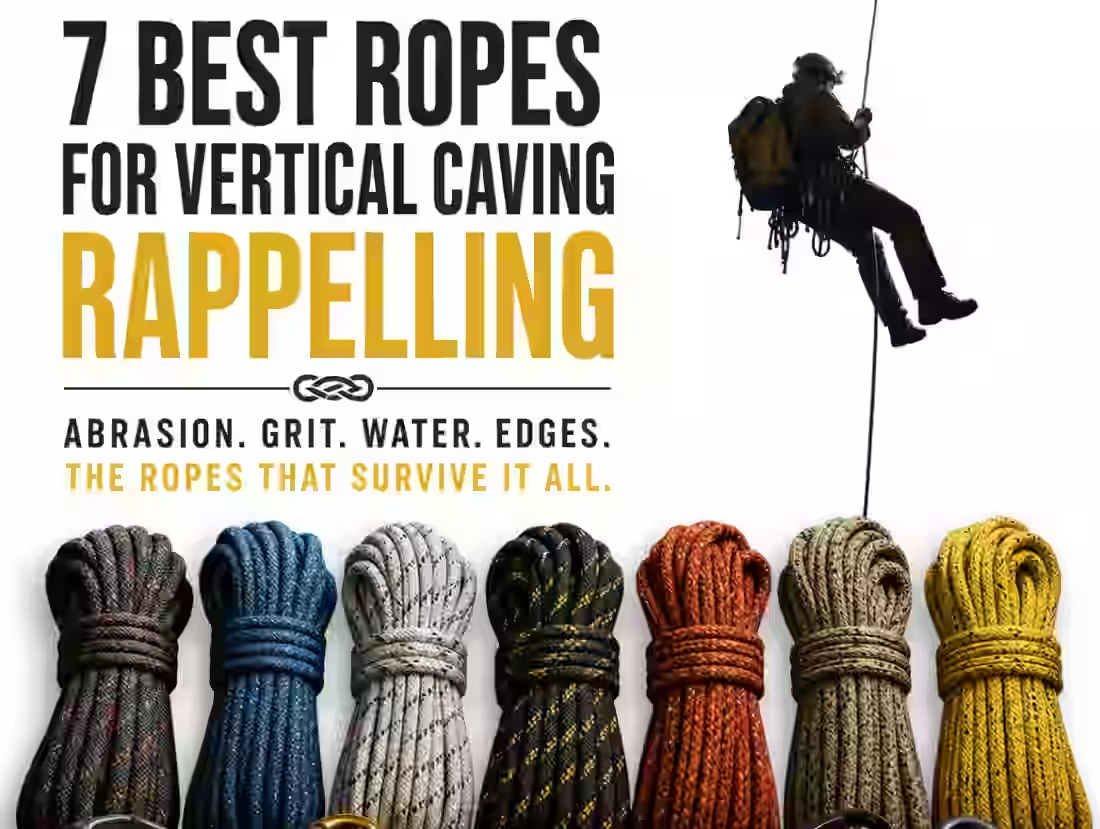
Format is the same for each rope. What it’s best at, what to watch out for, who should buy it.
1) Teufelberger KM III (abrasion tank with zero sheath slippage)
KM III is one of those ropes that has earned a reputation the hard way. It keeps showing up because it survives.
Why it’s on the list: it uses a polyester sheath over a nylon core, and the construction is known for being stable. People often call out the “no sheath slippage” feel. In real life terms, it tends to stay consistent after lots of cycles.
Best for: rough limestone, frequent edge contact, expedition ropes that get used and used and used. If your cave has that lovely combo of sharp rock and unavoidable rub points, KM III is a serious option.
Handling notes: it feels durable and structured. That can actually help with ascending because the rope behaves. Less flop at transitions, less weirdness when you’re managing rope at rebelays.
Watch outs: weight and bulk. This is not the rope you pick if your whole day is a brutal approach and you’re counting grams. You also want to be intentional about diameter and length so it matches your device and your pack space.
Ideal buyer: the caver who prioritizes longevity over ultralight packing. The “buy once, cry once, use it for a long time” person.
2) Sterling HTP Static (ultra low stretch, water resistant workhorse)
HTP Static is famous for one thing. It barely stretches. If you like efficiency, it’s hard not to love it.
Why it’s on the list: it’s 100% polyester, which usually means very low stretch, high strength, and good water resistance. It’s a straightforward rope that does exactly what you think it does.
Best for: big vertical systems where efficiency matters. Less bounce on ascent. Less movement at rebelays. More direct progress, especially on long pitches where little inefficiencies start to feel huge.
Wet cave advantage: polyester absorbs less water than nylon, so handling tends to stay more consistent when soaked. Also less water weight. It’s not magic, but it’s noticeable if you spend hours in wet rope conditions.
Watch outs: because it’s so low stretch, peak forces can be higher if you shock load it. So you want smooth technique, clean rigging, and no weird falls onto the system. This is true for all static ropes, but you feel it more with HTP.
Ideal buyer: cavers who want maximum efficiency and minimal elongation on long pitches. If you do lots of big drops, you’ll appreciate what this rope does.
3) Petzl Club 10mm (lightweight, packable, great grip for cave kits)
Petzl Club 10mm hits that sweet spot for a lot of people. Packs small, handles well, doesn’t feel sketchy if you know what you’re doing.
Why it’s on the list: it’s lightweight and caving friendly, with handling and grip that make it easy to live with on real trips. When you’re building a cave kit, you want rope that behaves and doesn’t turn simple tasks into wrestling matches.
Best for: trips where rope weight and volume matter. Long approaches. Multiple ropes in one pack. Exploratory days where you’re carrying more than you want to carry.
Knotability: this is a big deal. Easy knots when the rope is wet and cold is not just comfort. It’s speed and fewer mistakes at rebelays.
Watch outs: 10mm can run faster and get hotter, depending on your device, your weight, and your friction setup. For heavy rappelling, you need to manage friction properly, use gloves, and not bomb down the pitch. Heat and glazing are real risks in general when people rappel too fast.
Ideal buyer: vertical cavers who want a capable 10mm line that packs small and still feels solid. Especially good if you’re building a practical rope quiver and you need a lighter option.
4) BlueWater Ropes 7/16″ ProStatic (classic 48 carrier sheath for mud and grit)
ProStatic is a classic for a reason. It’s built to take abuse, especially the boring constant kind. Mud, grit, repeated use.
Why it’s on the list: it uses a heavy duty 48 carrier sheath design that holds up well when the rope is basically getting sandblasted. That sheath construction is a big part of why people trust it for dirty environments.
Best for: “dirty” caves where the rope is never clean. Rigs with lots of contact points. Training systems where the rope sees repeated laps.
Handling notes: it can feel more substantial in hand. For heavier users and frequent training drops, that can be a benefit. More margin, more control, and often a more forgiving feel through some devices.
Watch outs: heavier and bulkier. Plan your pack size and your rope bag setup. If you hate stuffing rope, you’ll feel it.
Ideal buyer: cavers who want a time tested rope that doesn’t mind being treated badly. Or training groups that need a rope that lasts.
5) Maxim Canyon Elite (dry treated performance for wet, jagged environments)
This one has canyon DNA, and that translates surprisingly well to certain caves. Especially wet, jagged systems where rope stays soaked.
Why it’s on the list: it’s built with a dry treated core and a durable sheath designed for wet, muddy, abrasive environments. The whole point is keeping performance from falling apart when everything is drenched.
Best for: water heavy caves, muddy streamways, and trips where rope stays wet for hours or even days. If you regularly come home with rope that is basically a living organism, you’re the target user.
Abrasion story: jagged rock plus moving water accelerates wear. Water carries grit. Grit moves. Rope moves. The sheath takes the hit. A tougher sheath and treatment can slow down that damage curve.
Watch outs: dry treatments add cost. It’s worth paying for if your cave conditions actually justify it. If your caves are mostly dry, you might be spending money for a benefit you rarely feel.
Ideal buyer: cavers doing wet vertical work who want better long term performance when the rope is soaked and dirty.
6) PMI Hudson Classic Static (dense, stiff sheath for sharp limestone edges)
The Hudson Classic has a reputation for being a workhorse in the caving community. Its dense sheath provides more edge confidence and less of that “soft rope” feel that some might find undesirable.
Why it’s on the list: This rope is known for its dense, stiff sheath, which helps protect against sharp edges. If you often cave in areas where limestone feels like it’s trying to cut your rope, this is the ideal choice.
Best for: abrasive limestone environments, training rigs, and anyone who prioritizes edge protection over soft handling. If your adventures involve lots of drops with unavoidable rub points, a rope like this can significantly extend its lifespan.
Edge management: While choosing the right rope helps, proper rigging is equally important. Techniques such as rebelays, redirects, and strategic padding can all help reduce moving contact on edges—this is what typically damages ropes.
Watch outs: The stiffness of this rope can make tying tight knots more challenging and stuffing it into bags less convenient. Additionally, many ropes have a break-in period during which handling improves after some use.
Ideal buyer: This rope is perfect for cavers who put their ropes through rigorous use on rocky terrains and want maximum sheath confidence, even if it’s slightly less user-friendly.
7) Beal Spelenium (purpose built speleology balance: knotability + abrasion resistance)
The Spelenium rope represents a significant advancement in caving gear design. It’s not just another “static rope” but rather one that is specifically designed with caves in mind.
Why it’s on the list: The Spelenium is built specifically for speleology, striking a perfect balance between knotability and handling while maintaining high abrasion resistance. It doesn’t feel like a stiff cable but also doesn’t feel delicate.
Best for: This rope shines in all-around caving scenarios where reliable knots, good handling, and durability are required. It’s versatile enough to accompany you on a wide variety of trips without disappointment.
Knotability focus: Life underground often involves wet gloves, muddy ropes, and frequent retying at rebelays. Ropes that dress knots well and don’t fight you during these situations reduce hassle and minimize mistakes.
Watch outs: It’s crucial to match the diameter of the rope to your descender and ascender combo. Just because it’s labeled as “caving specific” doesn’t mean one size fits all. Factors such as your device’s friction level, your weight, and your technique still play significant roles.
Ideal buyer: This rope is tailored for cavers seeking a product that feels custom-made for the unique challenges of cave exploration.
Quick comparison: which rope should you pick for your type of cave?
Here’s the simplest buyer map I can give you.
If your caves are sharp limestone and you expect lots of edge contact, look first at:
- Teufelberger KM III
- PMI Hudson Classic
- BlueWater 7/16″ ProStatic
If you want light and packable for long approaches or you carry multiple ropes:
- Petzl Club 10mm
- Beal Spelenium
If you’re doing heavy, repeated training rappels (lots of cycles, lots of wear):
- BlueWater ProStatic
- PMI Hudson Classic
- Teufelberger KM III
And a reminder that’s annoyingly true. Rope choice is only half. Rigging choices and rope care often decide lifespan more than brand names do.
How to size and run your rope so it lasts
Diameter and device friction
The same rope can feel “too fast” or “too grabby” depending on your descender, your weight, your rack configuration, and how much friction you add.
If you go thinner, you often need more friction. If you go thicker, some devices might feel tighter or less smooth. So don’t just buy a rope and hope. Think through your setup.
Heat management on long drops
Long rappels plus heavy loads plus fast speed equals heat. Heat is what can glaze ropes and make them feel weird and slick in spots. You don’t need to panic about it, just respect it.
Controlled speed, adequate friction, and not trying to win a race to the bottom. That’s the whole trick.
Edge protection habits
Even the toughest rope can get destroyed by bad rigging. To mitigate this risk, it’s essential to adopt certain edge protection habits.
Use rope pads when they make sense and employ rebelays and redirects to remove moving contact from sharp edges.
The goal is simple: reduce friction and reduce abrasion at the same points that get loaded every time someone goes down.
Rope bags and deployment
Keeping rope out of mud is underrated. Rope bags help because grit driven abrasion is brutal over time.
If you can prevent the rope from becoming a muddy gritty mess before you even rig, you extend its life. Also your hands will be happier.
Retiring mindset
You’ll see sheath fuzzing over time. Some fuzz is normal.
However, what you should be watching for are signs of serious sheath damage, flat spots, stiffness changes that don’t make sense, or anything that suggests core issues. When in doubt, retire it from life safety use.

He is the founder of ZionReviews, where he helps businesses, marketers and creators make informed decisions about software through detailed reviews, comparisons and hands-on analysis.
Aboah specializes in testing SEO tools, AI writing platforms and autoblogging software, focusing on real-world performance, features, usability, pricing, and overall value.
His review process combines practical testing, industry research, and SEO expertise to provide unbiased insights for readers looking for the right tools to grow their online presence.
His work has been featured across platforms including HubPages, Medium, Vocal Media and Hackernoon. Through ZionReviews, Aboah shares actionable software insights designed to help users choose reliable tools and build more effective digital workflows.
- 7 Best Glass Eyes for Taxidermy Mounts (Expert Picks) - August 26, 2026
- 7 Best Rope for Vertical Caving Rappelling (2026 Picks) - August 26, 2026
- Glorvix.com Gold Coast Online: Is It Safe to Shop in 2026? - August 23, 2026